Period property restoration
Conservation-correct work for Victorian and Edwardian homes.
Most of the houses we work on are Victorian or Edwardian terraces — the kind of housing stock E17 and the surrounding postcodes are made from. Built between the 1870s and the early 1900s, with materials and methods that need to be matched, not replaced.
Period restoration is what we do when a job needs original detail brought back, repaired, or matched. Cornices reinstated. Cast iron radiators restored. Picture rails put back where they always were. Sash windows refurbished. Fireplaces brought back from a sheet of plasterboard. Lath and plaster repaired.
We are a builder who knows the difference between London stocks and Flettons, between lime mortar and OPC, between a properly profiled cornice and a mould kit. That knowledge is the difference between a restoration and a pastiche.
The way we work on every period property restoration project.
Material-matched
Stocks are matched. Reds are matched. Lime mortar is mixed to the right ratio for the building. We don't use modern cement on solid-wall Victorians where it would trap moisture in the brick.
Profile-matched
Cornices are run to the original profile, not picked from a catalogue. Skirtings match the deepest profile in the room. Architraves are matched to the door height and the room's scale.
Sash-refurbished
Sash windows are taken out, cleaned, repaired with new timber where rotten, repainted, draught-proofed with discreet brush seals, and rehung with new cords and weights. The result lasts another hundred years.
Plaster, not boarded
Lath and plaster is repaired where it can be. Coves are run in lime plaster. Where a wall has to come down, we replaster with sand and lime on solid-wall sections. Modern plasterboard is for stud walls and partitions.
Conservation-aware
In a Conservation Area or on a Listed Building, we work to the relevant consents. We don't start work that needs consent without the consent being in hand.
Recent period property restoration work.
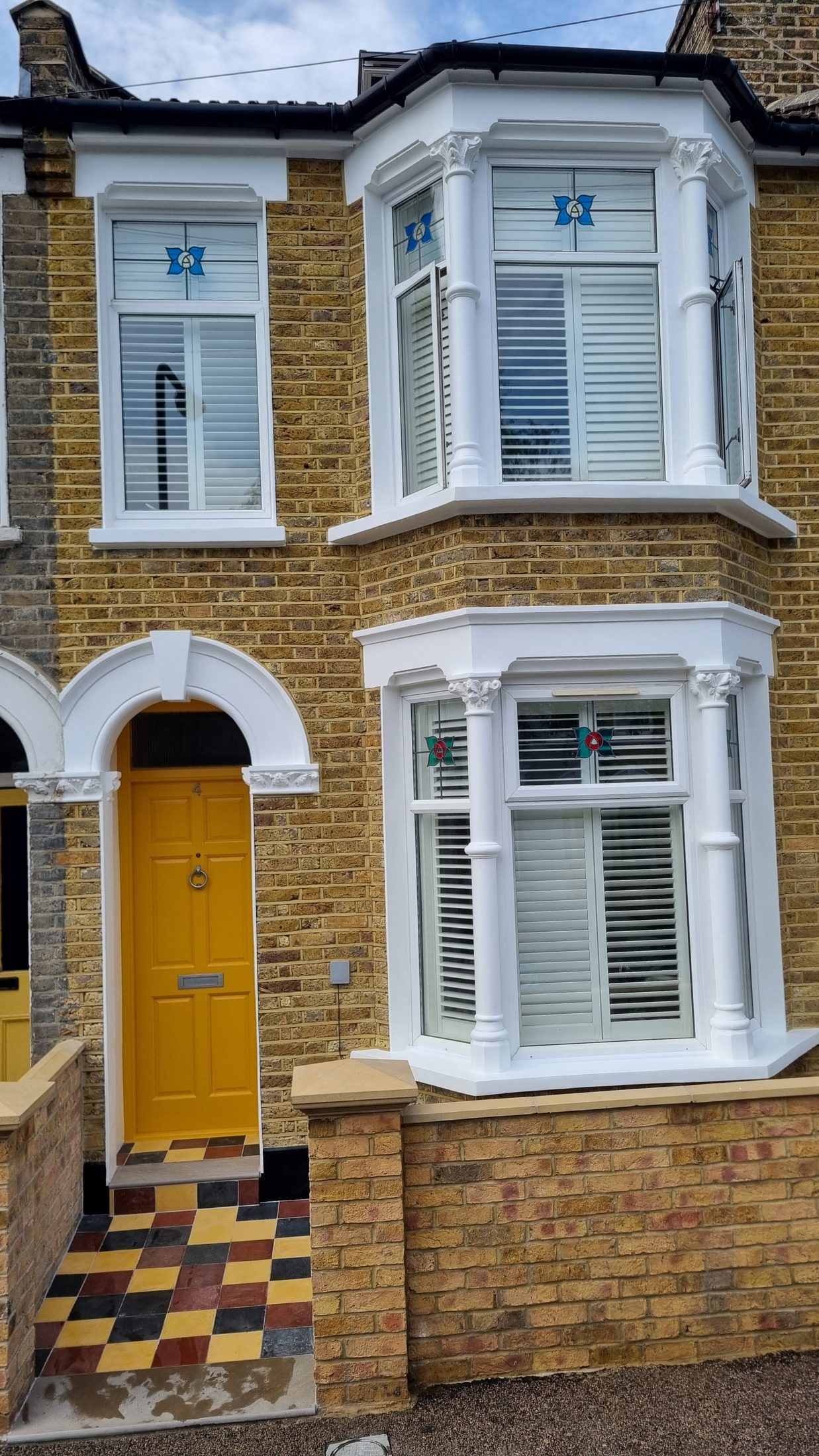
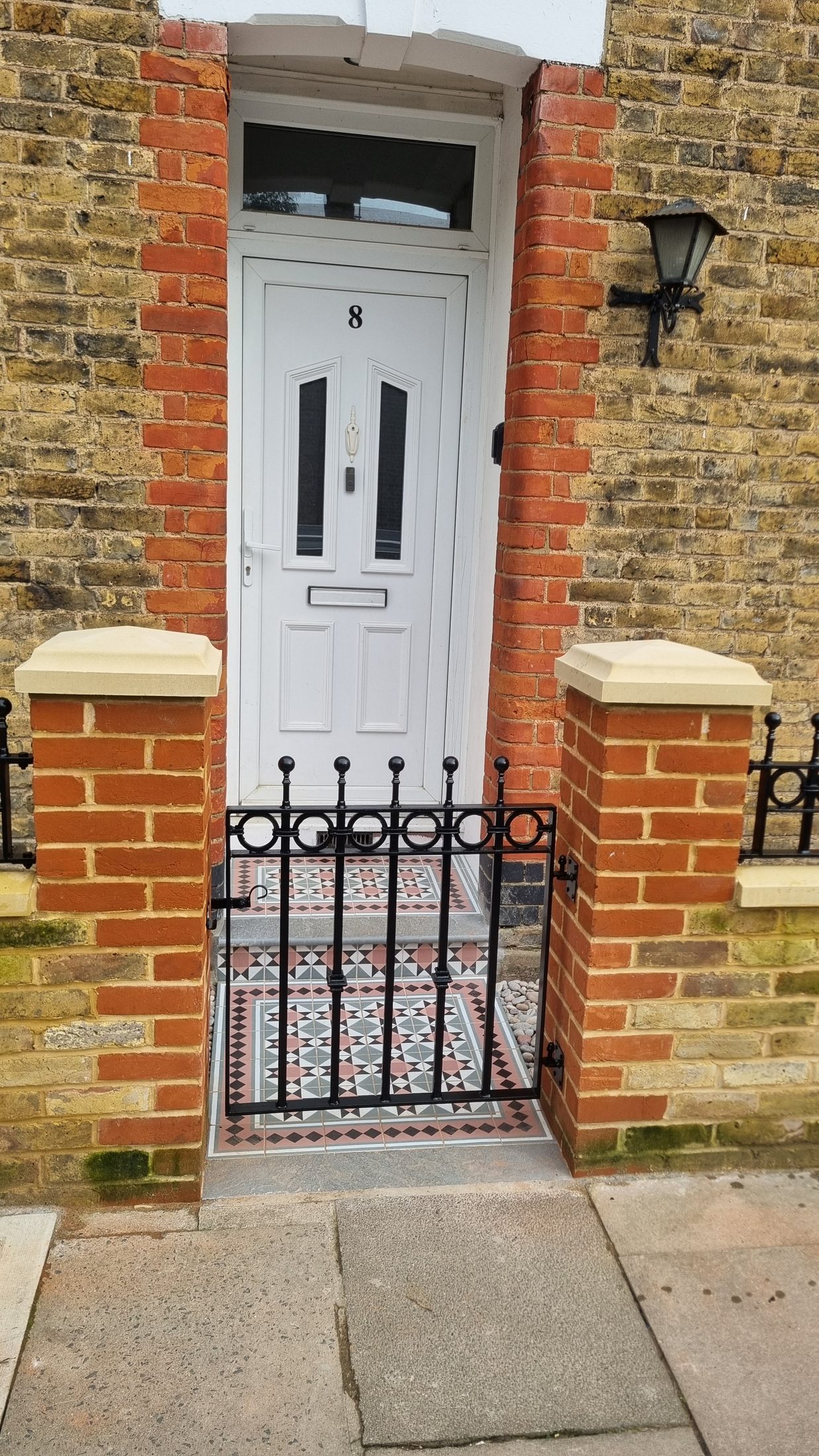
Honest, specific, no price list.
Real questions, answered honestly.
How do I know if my house is in a Conservation Area?
Walthamstow has several — Walthamstow Village, St Mary's, Hoe Street, Coppermill, and Lloyd Park among them. Check with Waltham Forest Council's planning portal. The same is true for the postcodes around us. We will check at the consultation.
Can you remove paint from a brick elevation?
Yes, on London stock and most period brick. The right method is a chemical poultice — painted on, covered, left to act, peeled off. Slow, careful, the brick comes through intact.
Should I refurbish or replace sash windows?
Almost always refurbish. Original sashes are made from old-growth timber that has lasted a hundred and forty years and will last another hundred if treated well. Refurbishment is also cheaper than replacement.
Do I need permission to change my front door?
In a Conservation Area, often yes. The front door is a piece of architectural detail visible from the street, and planning officers care about it. Always check before ordering.
Can you match an old cornice in a single room?
Yes. We take a profile from a surviving section, have it run in plaster by a specialist, and fit it to match. The repair is invisible.
Related: External restoration · Home renovations
From the journal: What hides behind the walls of a Victorian terrace
Related reading.
Do you need planning permission to renovate a Victorian terrace?
Permitted development, conservation areas, party walls and building control — what needs permission on an East London terrace, what doesn’t, and what a conservation area changes.
What a house renovation actually costs in East London
Honest cost ranges for renovating a Victorian or Edwardian terrace — by project type, what moves the number, and why the cheapest quote is rarely the cheapest job.
Restoring a Victorian front elevation
What’s actually involved in bringing a painted-white Victorian terrace back to its original brick. The methods, the materials, and what to expect.
How long does a renovation actually take?
Cost and permission get asked about first. The question that matters most day to day comes later: how long this really takes, and what it’s like living through it.
Considering a period property restoration project?
Request a consultation